While autumn in Northwest Houston rarely brings immediate cold, October and November mark a critical transition for local trees. After enduring months of high temperatures and dry spells, native pines and oaks shift their energy from canopy growth down into root development. Taking specific, measured steps during this window strengthens root systems and reduces tree risk throughout the coming winter.
Assess Canopy Health After Summer Heat
Summer across Cypress, Tomball, and Magnolia places significant physiological stress on shade trees. Before leaves drop from deciduous species like post oaks and pecans, walk your property to inspect the canopy.
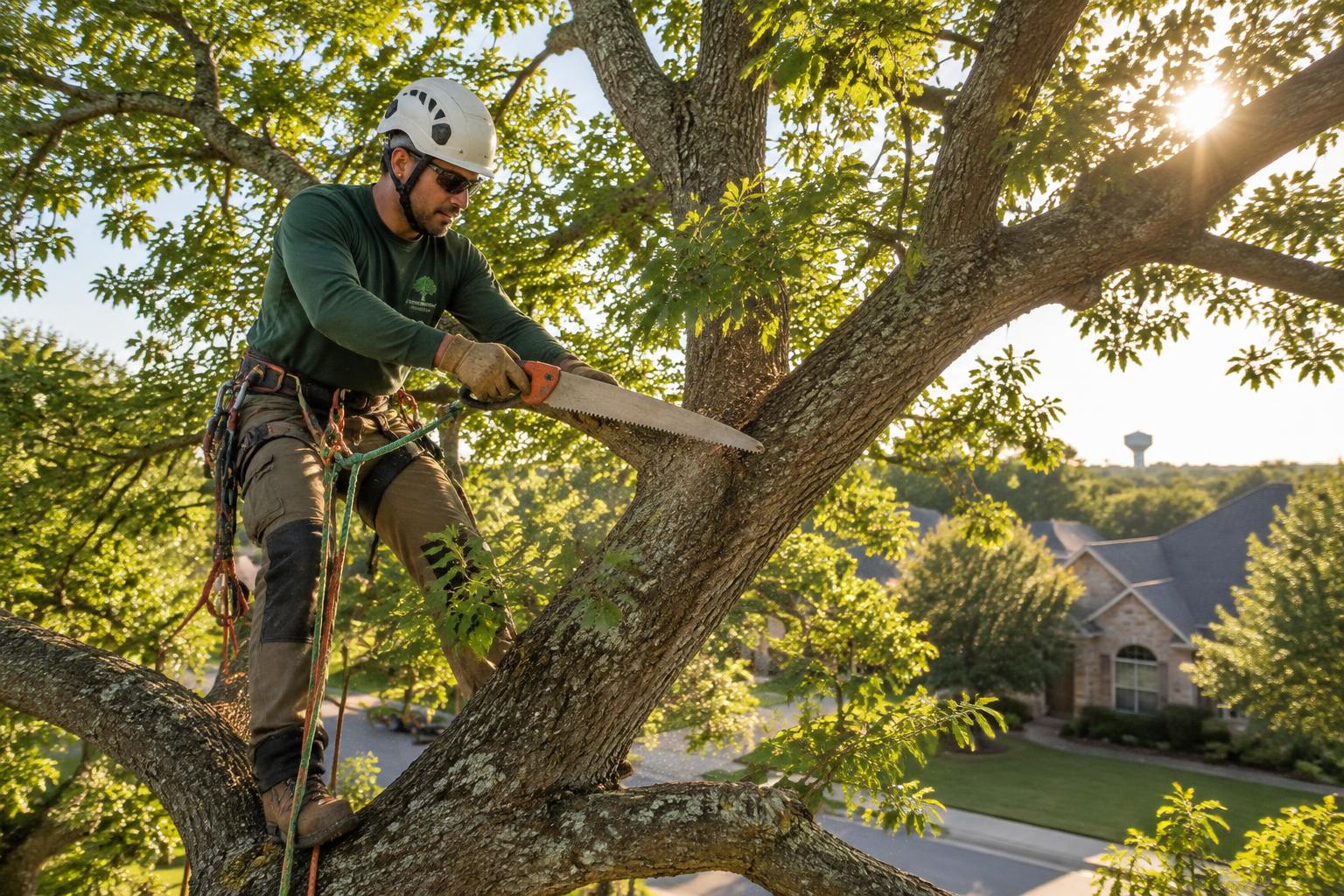
Look for premature leaf drop, canopy thinning, or branches that died back over the summer. Dead limbs do not recover and should be noted for removal before winter winds and freezing rain add weight to compromised wood.
Adjust Irrigation for Cooler Temperatures
Even as the air cools, roots continue growing actively in our warm Texas soils. You should reduce your irrigation frequency compared to mid-summer, but avoid shutting supplemental water off completely if rainfall remains scarce.
Give mature trees a deep, slow soak around the drip line once or twice a month during dry fall stretches. Hydrated cell walls better withstand the sudden sharp freezes that occasionally push through the Spring and Woodlands areas in December and January.
Essential Fall Care Steps
- Clear heavy accumulations of fallen leaves from the root flare to prevent moisture buildup against the trunk bark.
- Apply a fresh, two- to three-inch layer of organic mulch across the drip line, keeping it at least four inches back from the trunk base.
- Avoid high-nitrogen fertilizers late in the season, which stimulate tender new shoots vulnerable to early frost damage.
- Hold off on aggressive pruning on live oaks until late winter or mid-summer to comply with oak wilt prevention best practices.
Take Advantage of the Prime Planting Window
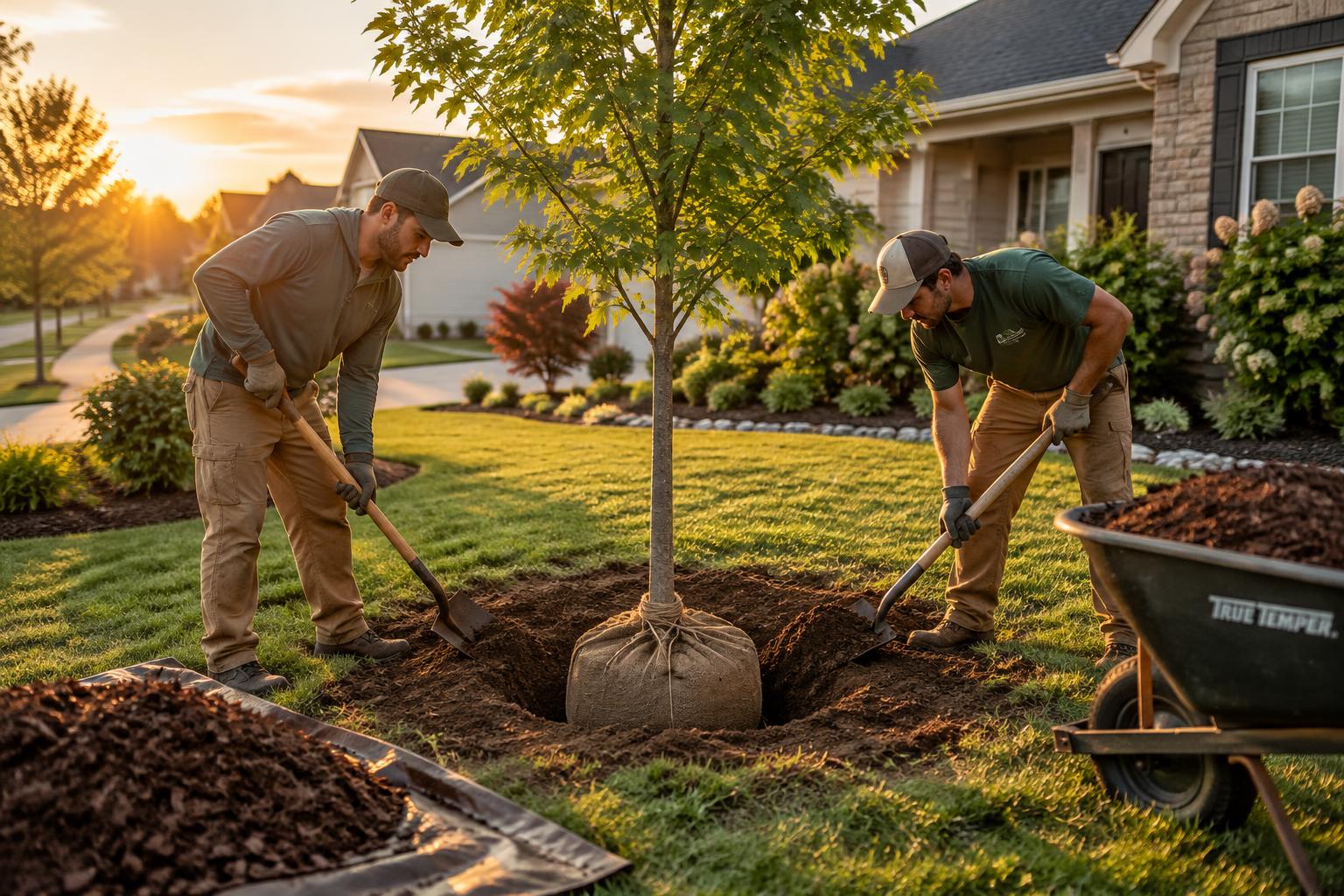
Fall is universally considered the best season to plant new container or balled-and-burlapped trees in Southeast Texas. Soils remain warm enough through November and December to allow root systems to establish without having to support a stressed, thirsty leaf canopy.
Newly planted trees develop several months of root infrastructure before facing their first brutal Gulf Coast summer, significantly improving long-term survival rates compared to spring-planted stock.
Schedule a Late-Season Tree Inspection
Unstable limbs, hidden internal cavities, and root rot often go unnoticed until winter weather exposes structural weaknesses. A certified arborist can assess structural defects, evaluate soil compaction around high-traffic lawn areas, and provide a clear plan to protect your property before severe cold fronts arrive.
Want a Specialist to Take a Look?
Book a free consultation with our TCIA Certified Tree Care Specialists and save 10% on this month's service.