Pale or Undersized Leaves
Yellowing between the veins and smaller-than-normal foliage usually points to a nutrient shortfall long before the tree shows real decline.
TCIA Certified Tree Care Specialists
Top Rated Tree Services in Tomball Texas

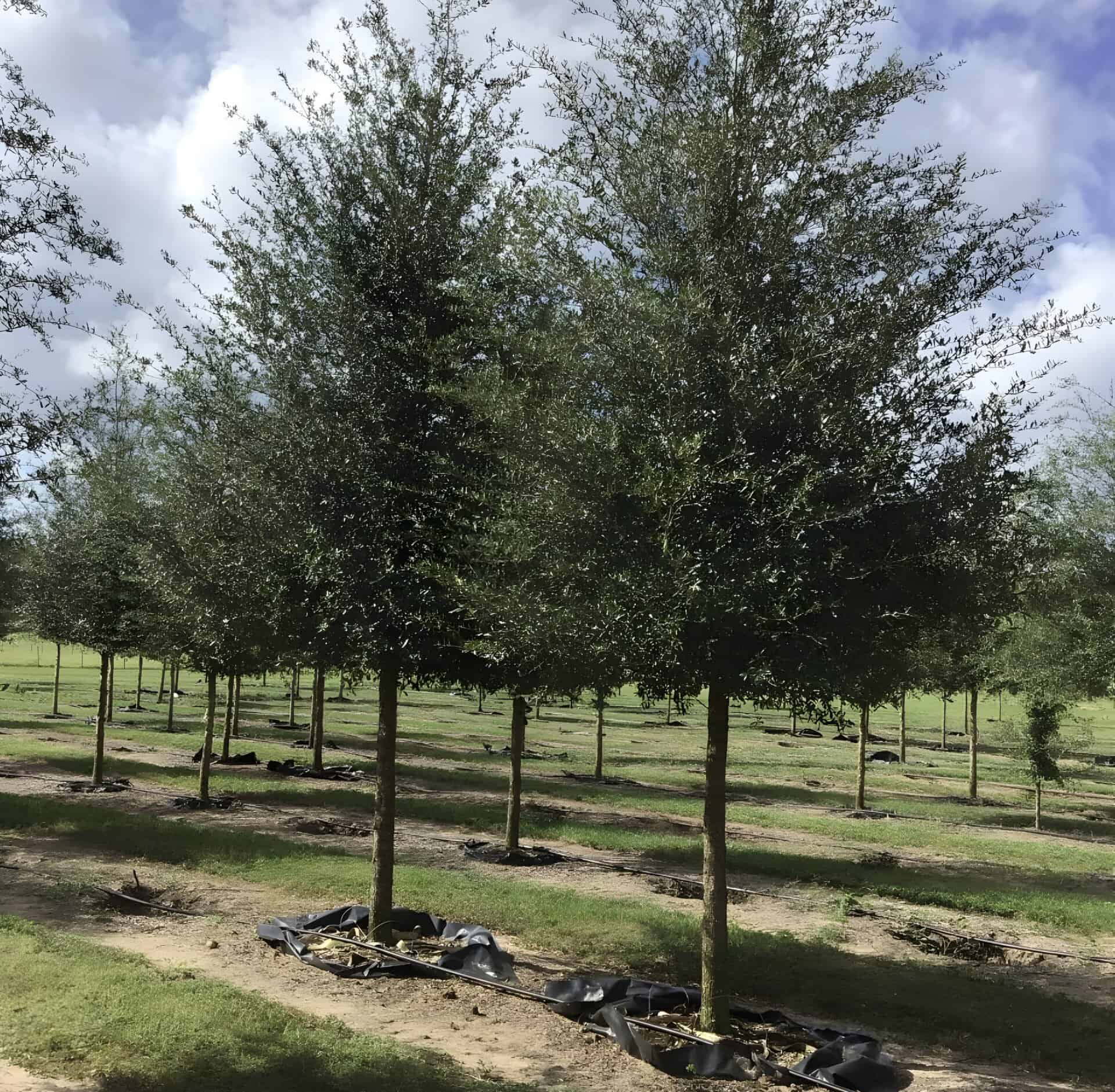
TCIA Certified Tree Care Specialists
A custom liquid feed injected straight into the active root zone — past the lawn, past the compacted clay, into the roots that actually feed your tree.
New
Tomball, Cypress, Spring, The Woodlands, Magnolia, and surrounding areas
Borer beetle sprays, summer root-moisture checks, fall pruning, and winter deep-root feeding.
Plans start as low as $49 per month.
No long-term contracts. Cancel anytime.
Deep Root Fertilization
Trees in a forest feed themselves. Leaf litter breaks down, the soil stays loose and alive, and roots spread out to find what they need. A tree in a Houston-area yard gets none of that — the leaves are bagged, the soil is compacted clay, and turf grass takes the water and nutrients before the tree ever sees them.
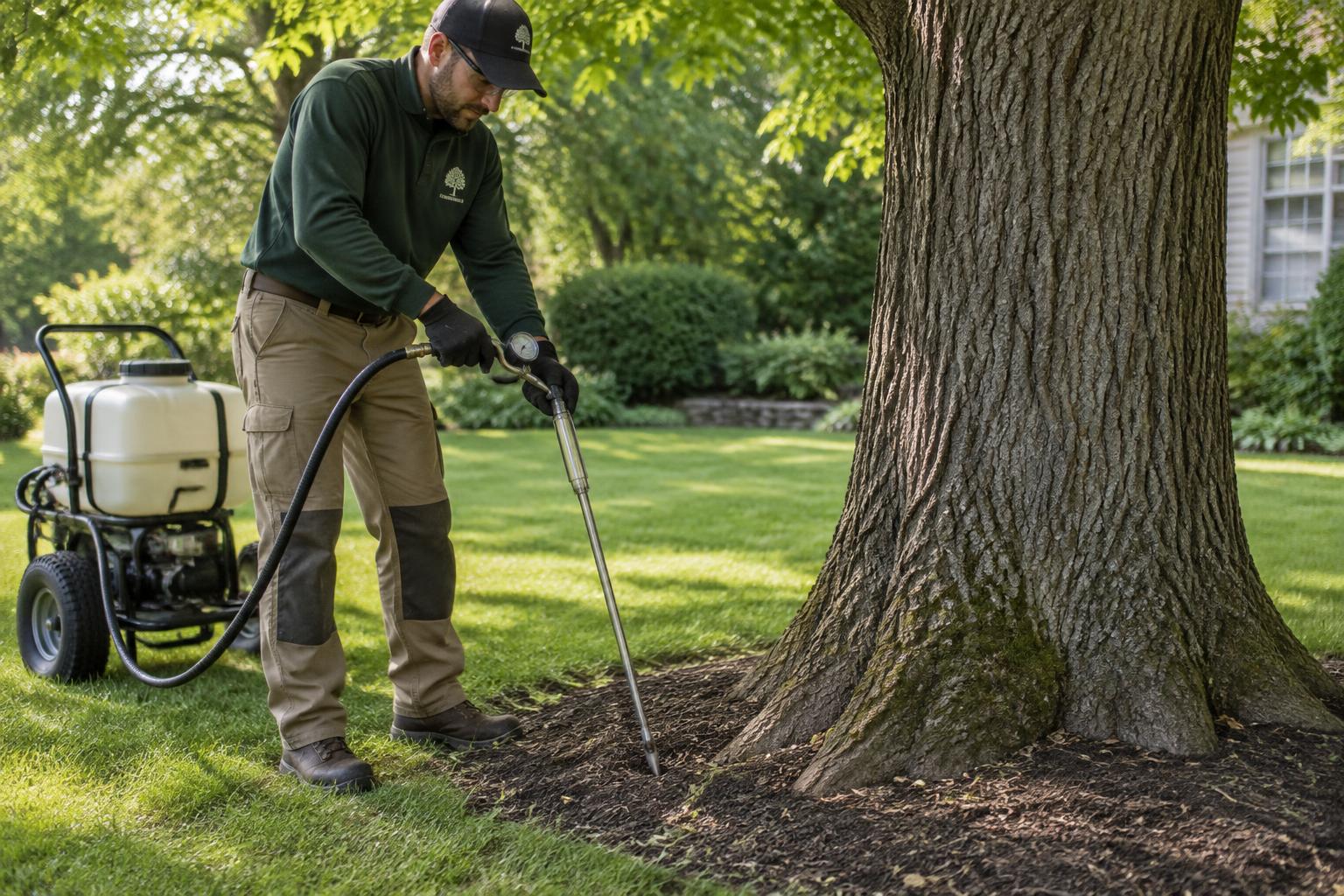
Broadcast fertilizer on the surface mostly feeds that grass. Deep root fertilization solves the problem by putting a custom liquid blend under pressure directly into the top 8 to 12 inches of soil, where the fine feeder roots live, on a grid across the whole root zone.
The injection itself does a second job: each probe point fractures compacted soil and opens it up to air and water. The tree gets a meal and a better place to grow at the same time.
Yellowing between the veins and smaller-than-normal foliage usually points to a nutrient shortfall long before the tree shows real decline.
Gaps in the crown and see-through foliage mean the tree is not putting on the growth it should for its age and species.
Short annual shoot extension is one of the clearest signs a tree is running on empty in compacted or exhausted soil.
Trees that shut down weeks ahead of their neighbours are usually stressed, not early — often from root-zone problems.
Lawn grass is an aggressive feeder and takes moisture and nutrients from the top few inches, exactly where fine tree roots live.
Gulf Coast clay and construction traffic squeeze the air out of soil, so surface feeding never reaches the roots that need it.
A certified specialist inspects the canopy, root flare, and soil conditions to work out what the tree is actually short of before anything is applied.
We mix a liquid feed matched to the species, the season, and the site rather than dumping one generic fertilizer on every tree.
A skid sprayer and soil probe inject the blend 8 to 12 inches down on a grid through the root zone, bypassing turf and compacted topsoil.
You get a simple schedule for watering, mulching, and the next feed so the gains hold instead of fading in a season.
Why it works
Timing matters as much as the blend. Fall and late winter feedings build root reserves a tree can spend on spring growth, while a stressed or newly planted tree may need support in the growing season. We will tell you which one your tree needs.
Certified Tree Care Specialists
Tell us about your property and the trees you want to protect. We will answer your questions and prepare a quotation for you.
FAQ
Every property is different, so we price by the job — tree size, location, access and clean-up all matter. Your consultation and written quote are free.
Yes. We are fully insured and our work is performed by TCIA Certified Tree Care Specialists following ANSI A300 standards.
The dormant season (fall and winter) is ideal for most trees — less disease pressure, less stress on the tree and clearer visibility of its structure. Hazardous limbs are removed any time of year.
Always. We haul away all limbs and debris and leave your property tidy before we go.
We are based in Tomball and serve Tomball, Cypress, Spring, The Woodlands, Magnolia, Northwest Houston and the surrounding Northwest Houston area.
Yes. Storm-damaged and hazardous trees are prioritized — call us and we will get a crew out as soon as possible.